




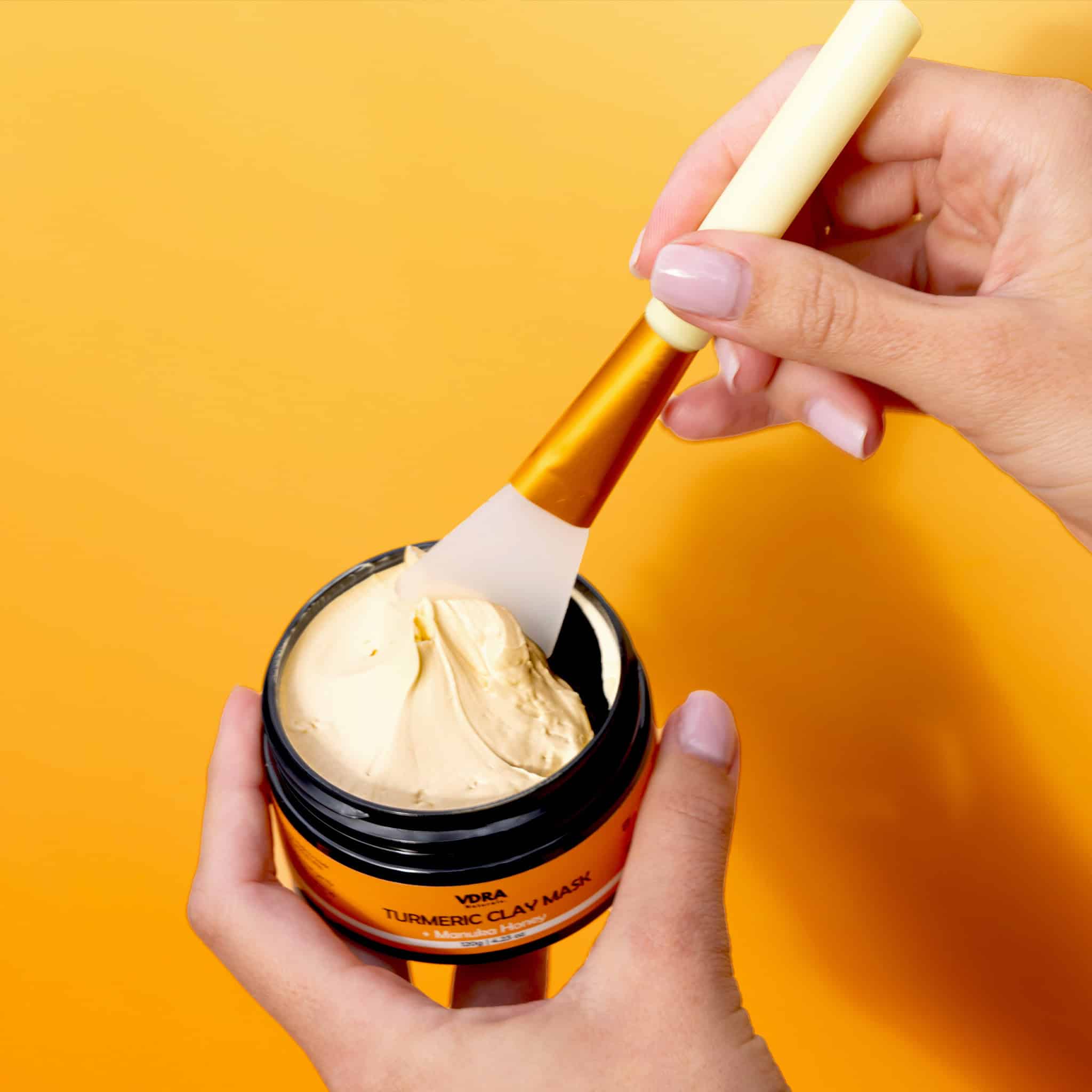


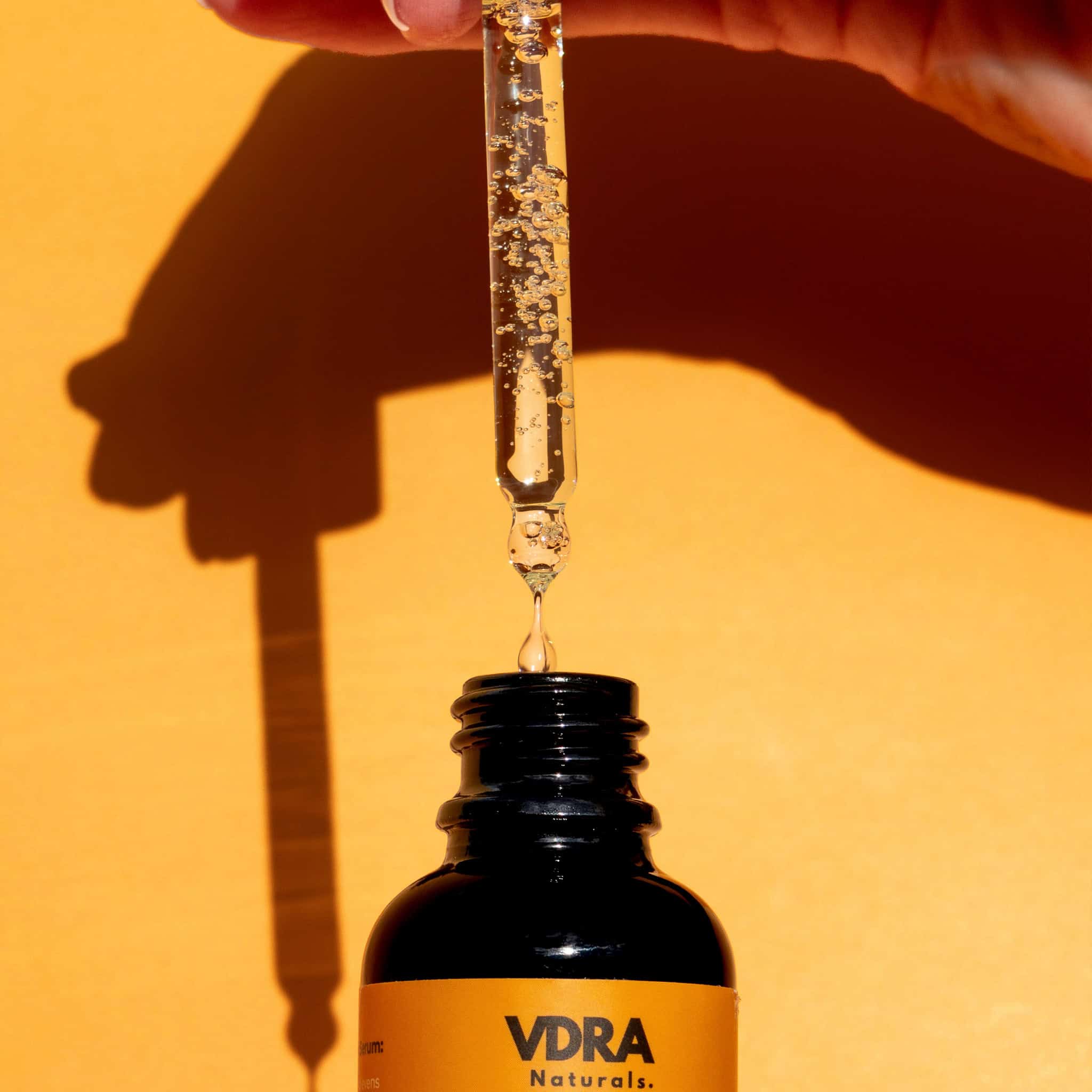


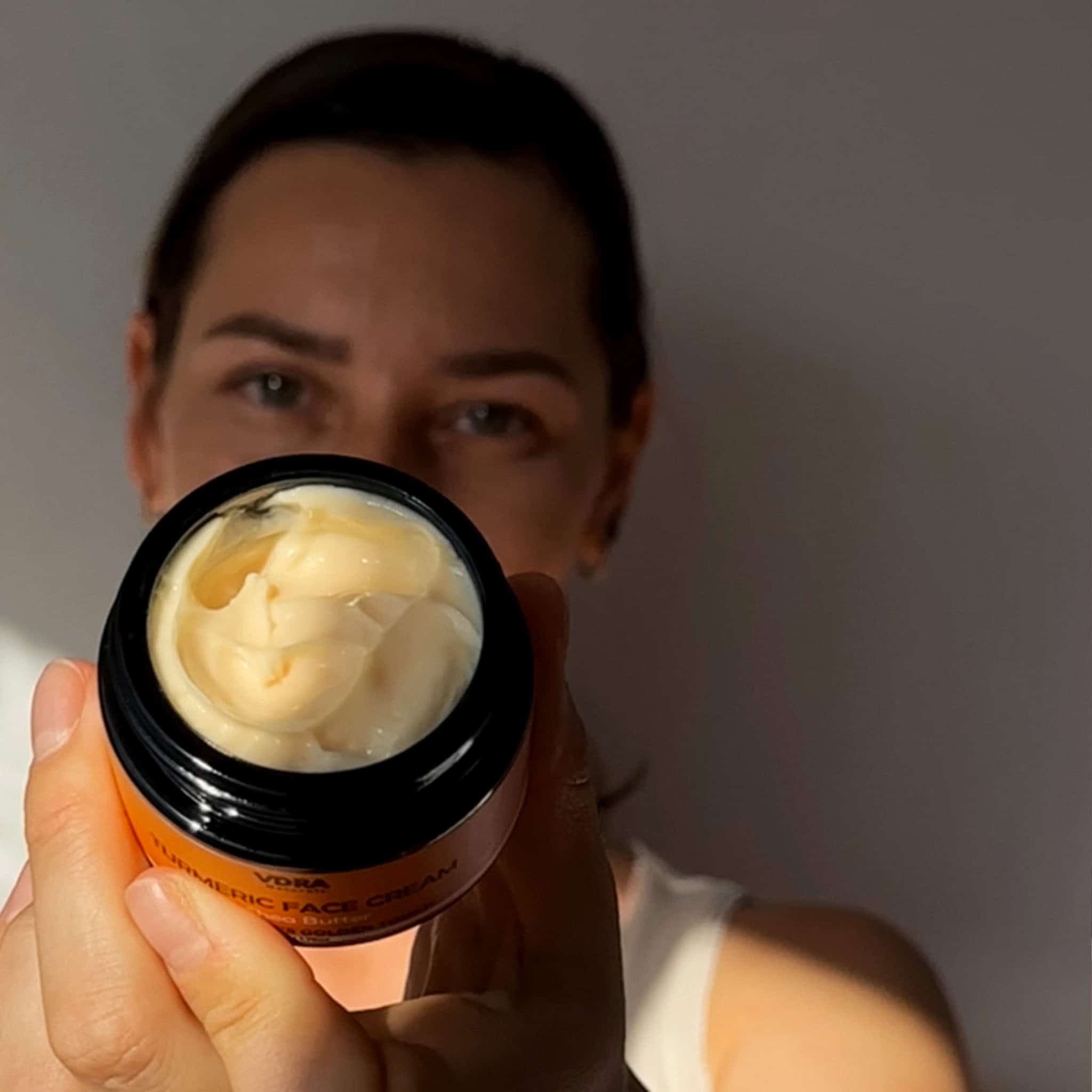

Why turmeric.
Turmeric has been used on skin
for centuries — in South Asian households, it's the thing your mother or grandmother reached for when skin was inflamed, broken out, or irritated, long before ‘anti-inflammatory’ was a skincare category. Modern research backs up what that tradition already knew.
Curcumin, the active compound in
turmeric, is one of the most thoroughly studied natural anti inflammatories there is. For skin caught in the redness-inflammation-breakout cycle, that matters in three specific ways.
It calms inflammation at the source.
Curcumin acts on the inflammatory pathways that drive redness and breakouts. Less inflammation means
less redness, and a gentler response the next time something triggers the skin.
It's antibacterial, without being harsh.
Turmeric has natural antibacterial properties that help with the bacterial side of breakouts — without the stripping, drying effect of stronger acne actives that can leave reactive skin worse off.
It supports the skin barrier while it calms.
Manuka honey, aloe, chamomile
and centella — the supporting cast throughout the range — hydrate and soothe while the turmeric works, helping break the cycle instead of restarting it.
Calm, antibacterial, barrier-supporting — the three things inflamed, reactive skin needs, from one ingredient with centuries of use behind it.