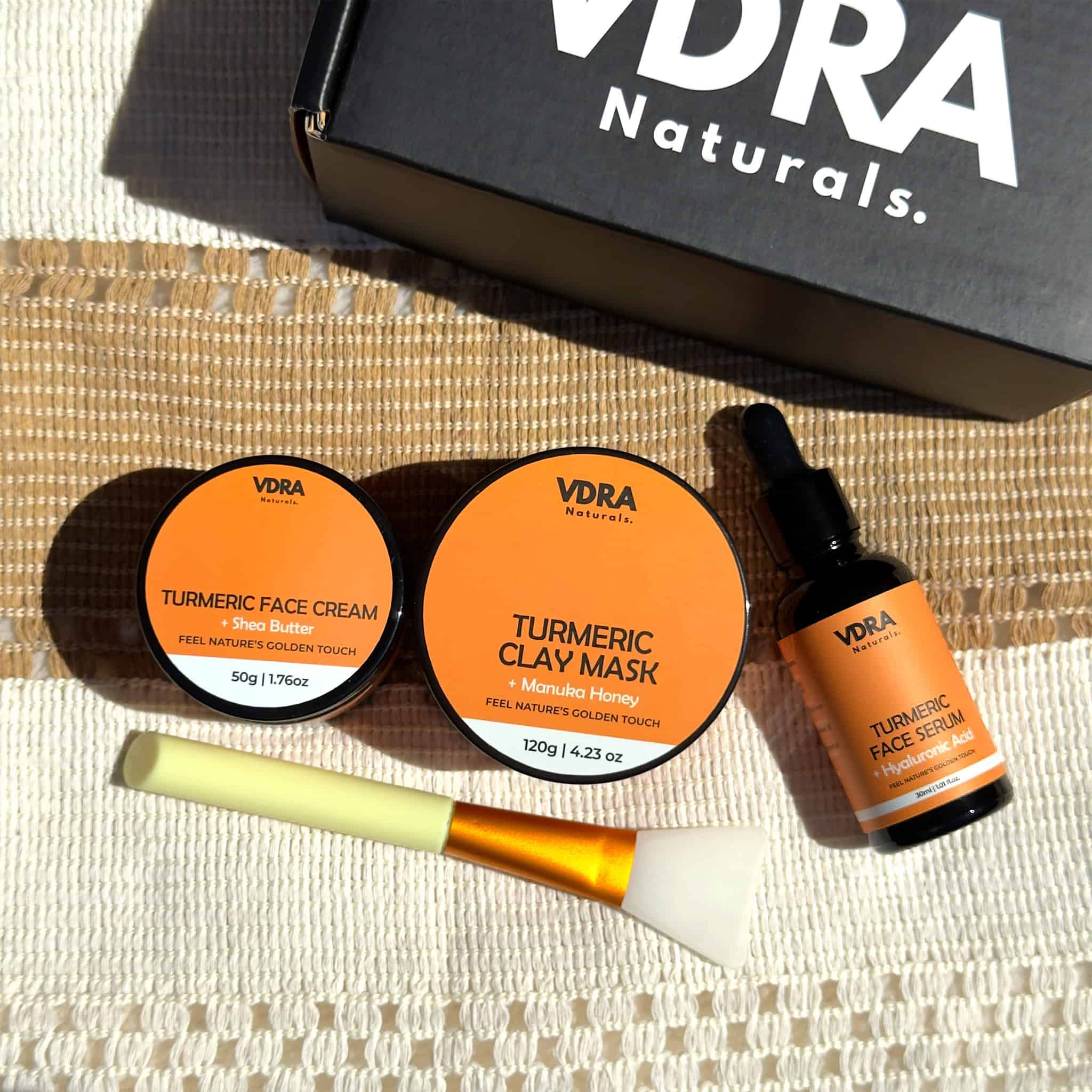
Natural Turmeric Skincare for Hyperpigmentation & Dark Spots
Made to Fade Hyperpigmentation.
Turmeric skincare made for hyperpigmented skin. Our recipes fade dark spots, even out uneven skin tone, and calm skin that shouldn’t still be flaring at 45 — inspired by Ayurvedic knowledge passed down through generations. Four weeks of consistency, guaranteed results, and the reflection in the mirror starts looking like yours again.
Australian Owned
Natural Ingredients
No Parabens & Fragrances
Cruelty Free & Vegan
The science
How turmeric works on pigmentation.
Turmeric isn’t a trend — it’s been used in South Asian skincare for centuries. Modern research finally caught up with what grandmothers already knew.
Quiets the source.Curcumin helps slow the enzyme behind excess melanin production — less of it, less new pigment.
Calms the trigger.Inflammation is what tips melanin-rich skin into producing more pigment. Turmeric is one of the most studied natural anti-inflammatories there is.
Protects what's healed.As an antioxidant, it defends against the daily damage — sun, pollution, hormonal flares — that keeps re-triggering the same patches.
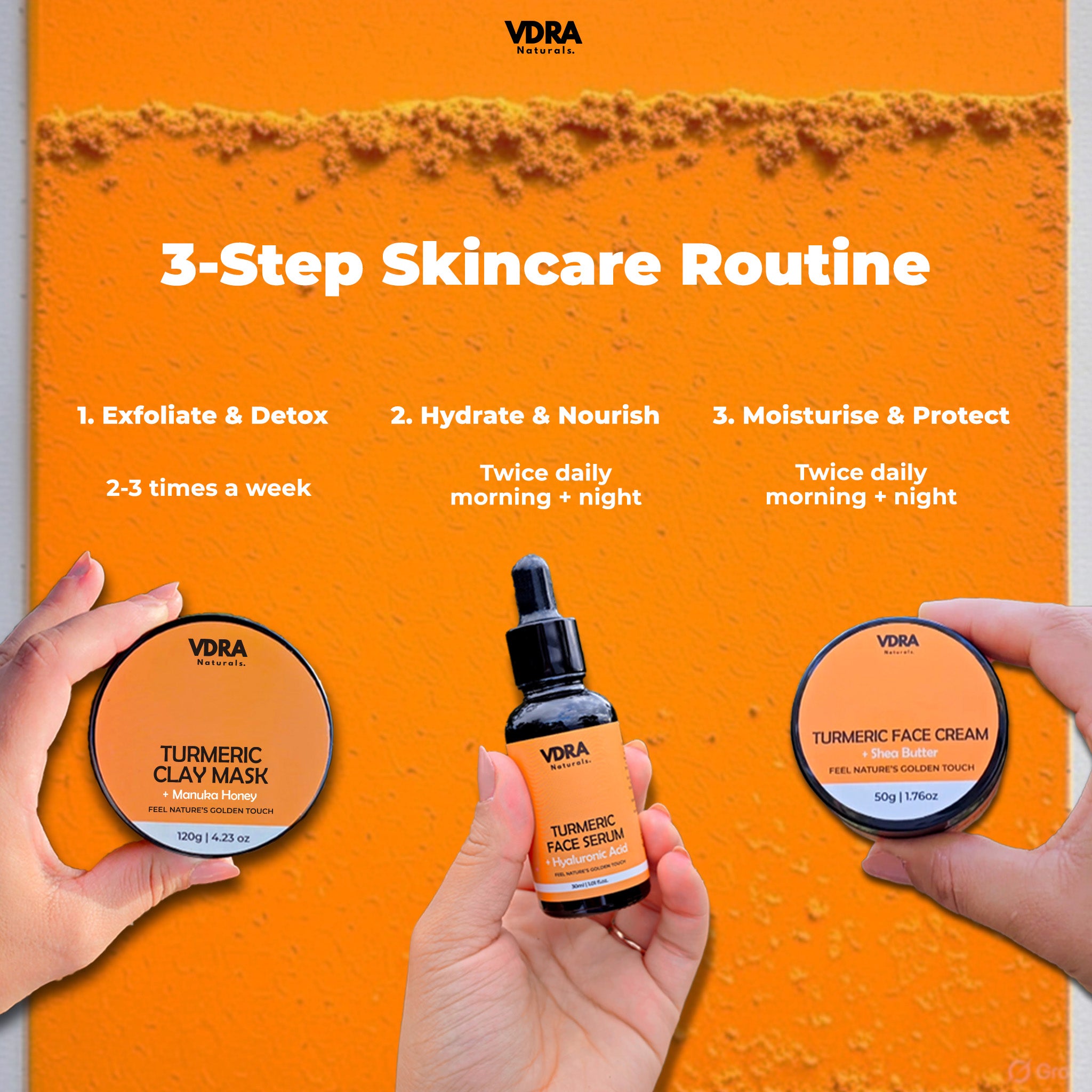
How to Treat Hyperpigmentation: Your 3-Step Skincare Routine
STEP 1: CLEARS THE WAY
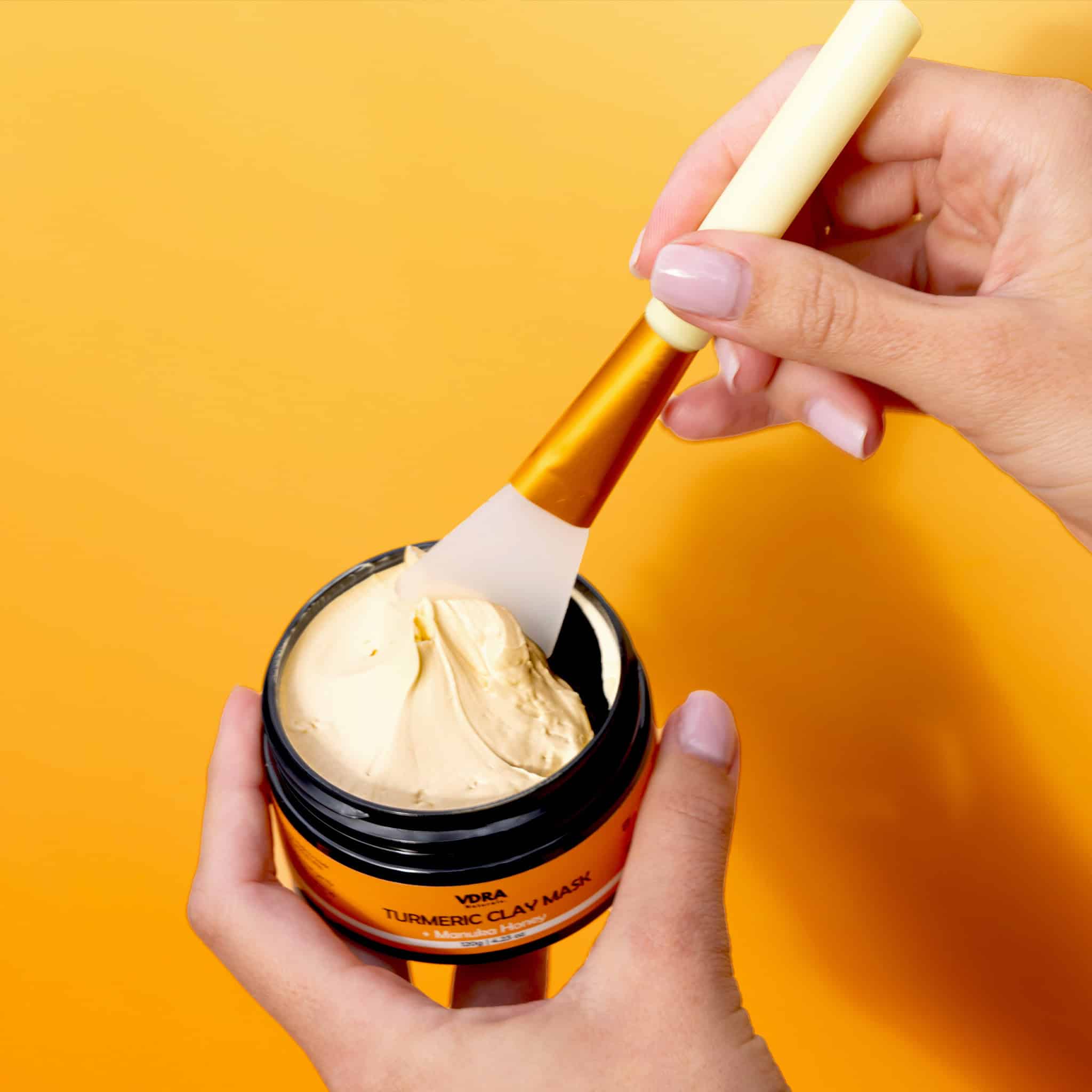
Turmeric Clay Mask with Manuka Honey
Pulls out impurities, exfoliates skin, and calms breakouts without over-drying.
No. This is the single biggest worry we hear, and we formulated specifically around it. The turmeric in our range is extract, not raw powder, and it’s balanced with ingredients that lift cleanly off the skin. Customers across deep and fair skin tones consistently note the absence of yellow staining.
Will it bleach my skin?
No. The goal here is evenness, not lightness. Turmeric works on excess pigment in dark spots and patches, helping bring the tone of those areas closer to the rest of the skin. Your natural skin tone stays your natural skin tone.
How long until I see results?
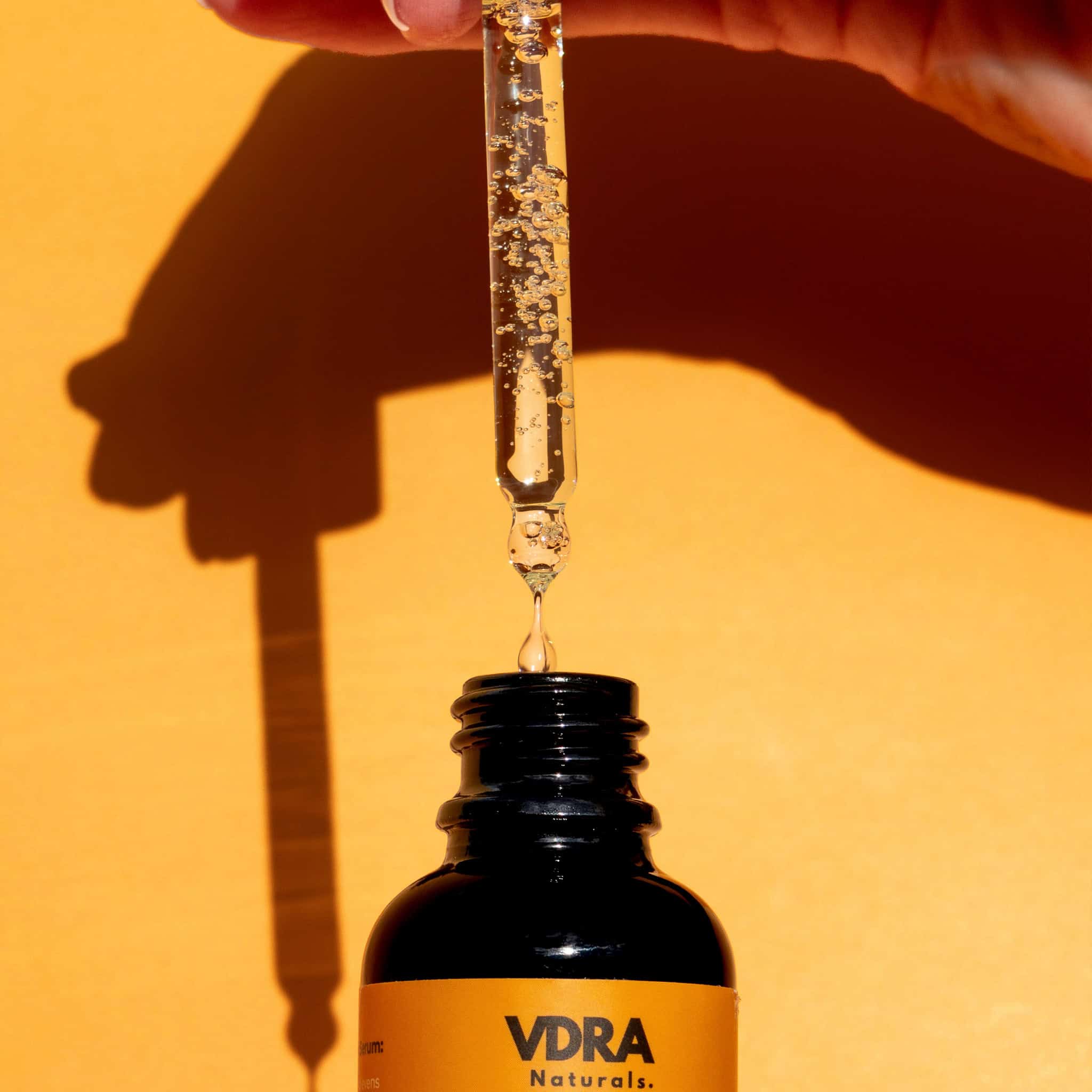
Four weeks with consistent use. The clay mask twice a week, the serum and cream morning and night. Some customers notice calmer redness in the first week or two; the deeper fading of dark spots and uneven skin tone is slower work.
Is it safe for melanin-rich skin?
Yes. The formula avoids the aggressive lightening agents that can trigger rebound darkening on deeper skin tones. Liquorice, turmeric, and vitamin C work gently on excess melanin without destabilising the skin’s baseline tone.
Is it safe for sensitive, rosacea-prone, or menopausal skin?
Yes. The same anti-inflammatory ingredients that help with pigmentation — turmeric, manuka honey, chamomile, centella — are why customers with rosacea, sensitivity, and menopausal dryness consistently tolerate this range well. One customer reported her rosacea redness was down within two weeks of using the Trio.
Do I still need sunscreen?
Absolutely. Broad-spectrum SPF 50 every single morning. Pigmentation is sun-aggravated by definition; unprotected sun re-triggers the patches faster than any product can fade them. SPF is the partner to this routine, the routine is not an alternative to SPF.
Are your products cruelty-free?
Yes, we’re committed to cruelty-free practices. None of our products are made of or tested on animals.
Can I use this with retinol or vitamin C from another brand?
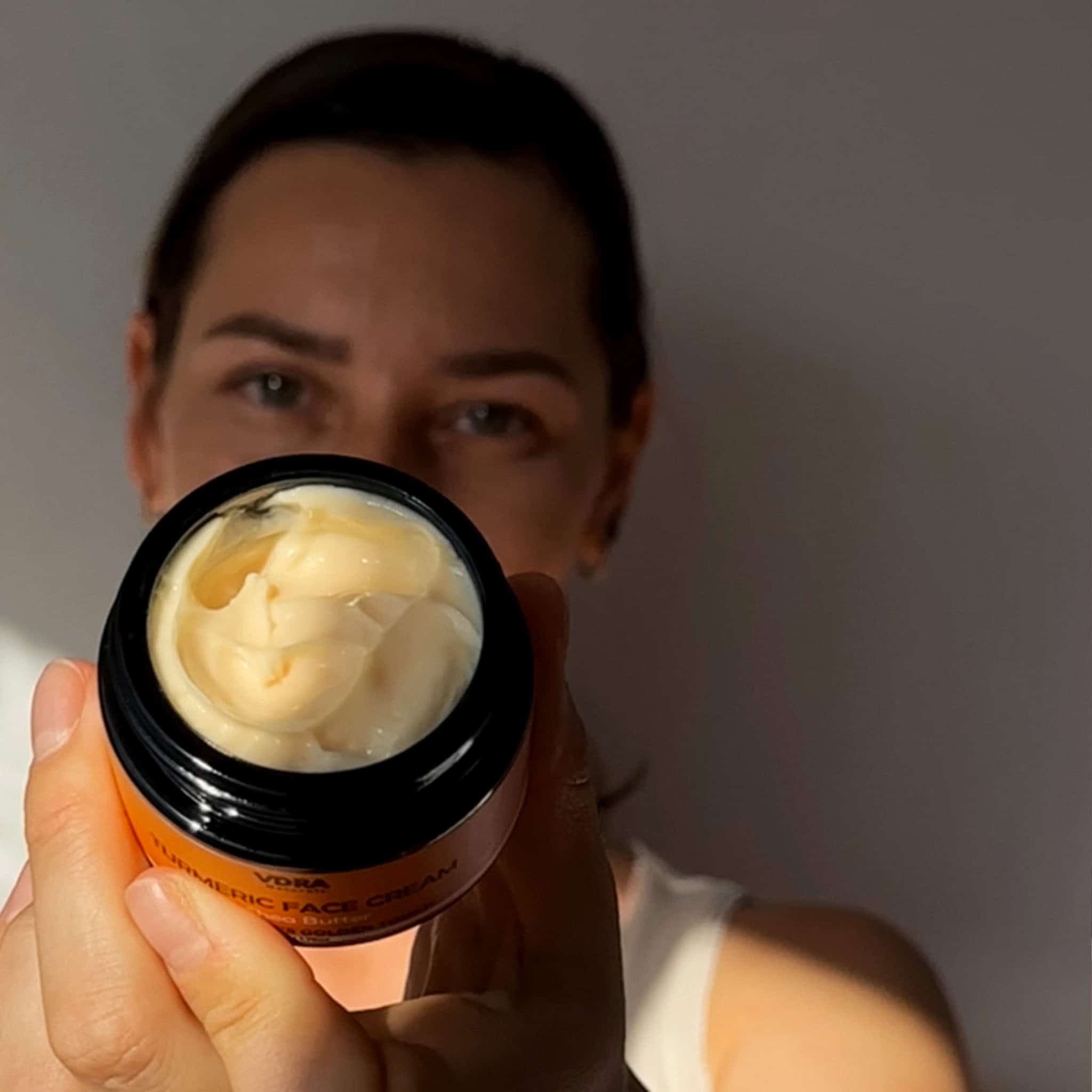
Yes, with care. Our serum already contains vitamin C, so adding another vitamin C product is unnecessary and can be too much for sensitive skin. If you use retinol, use it at night, alternate evenings, and always finish with our Face Cream to keep the barrier supported.
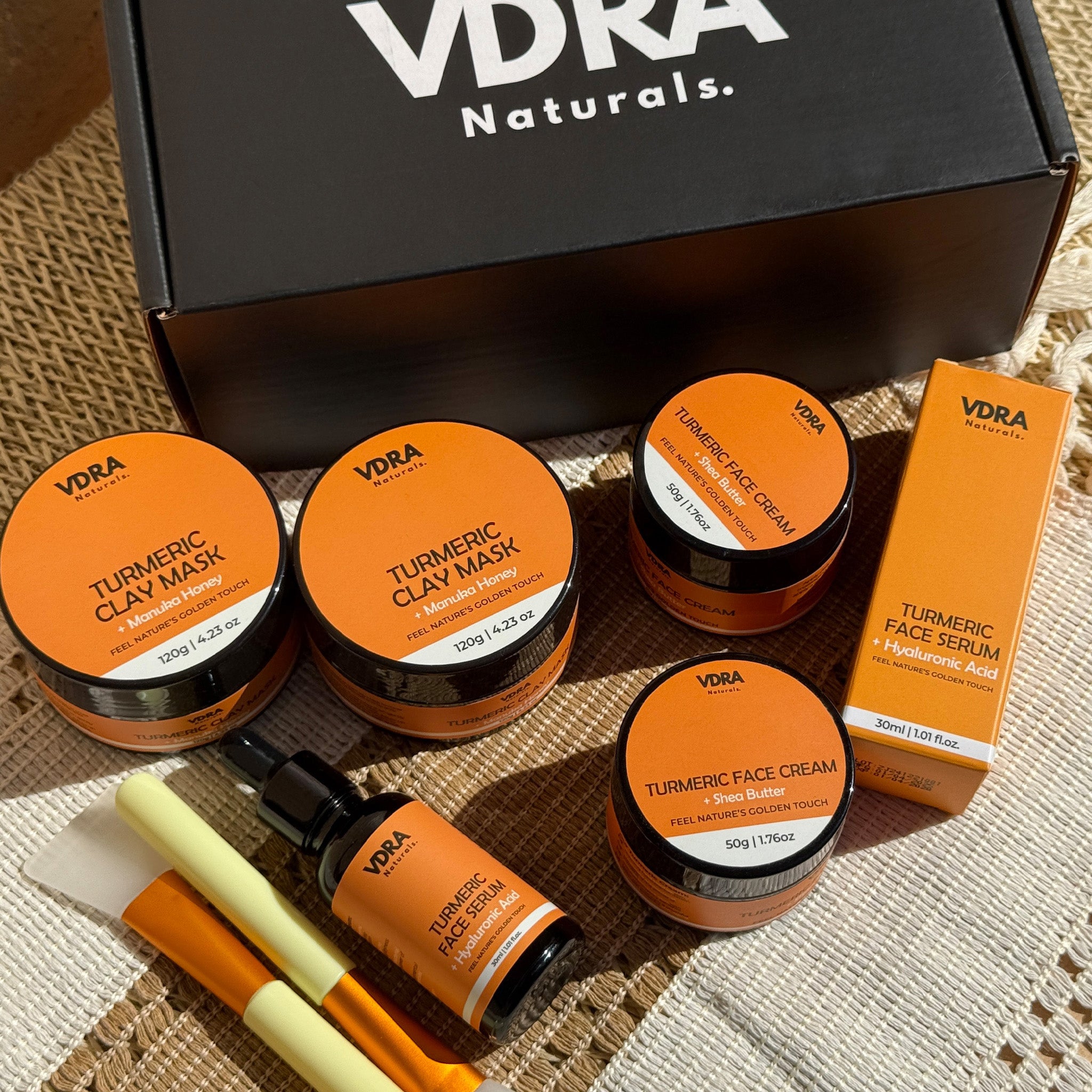
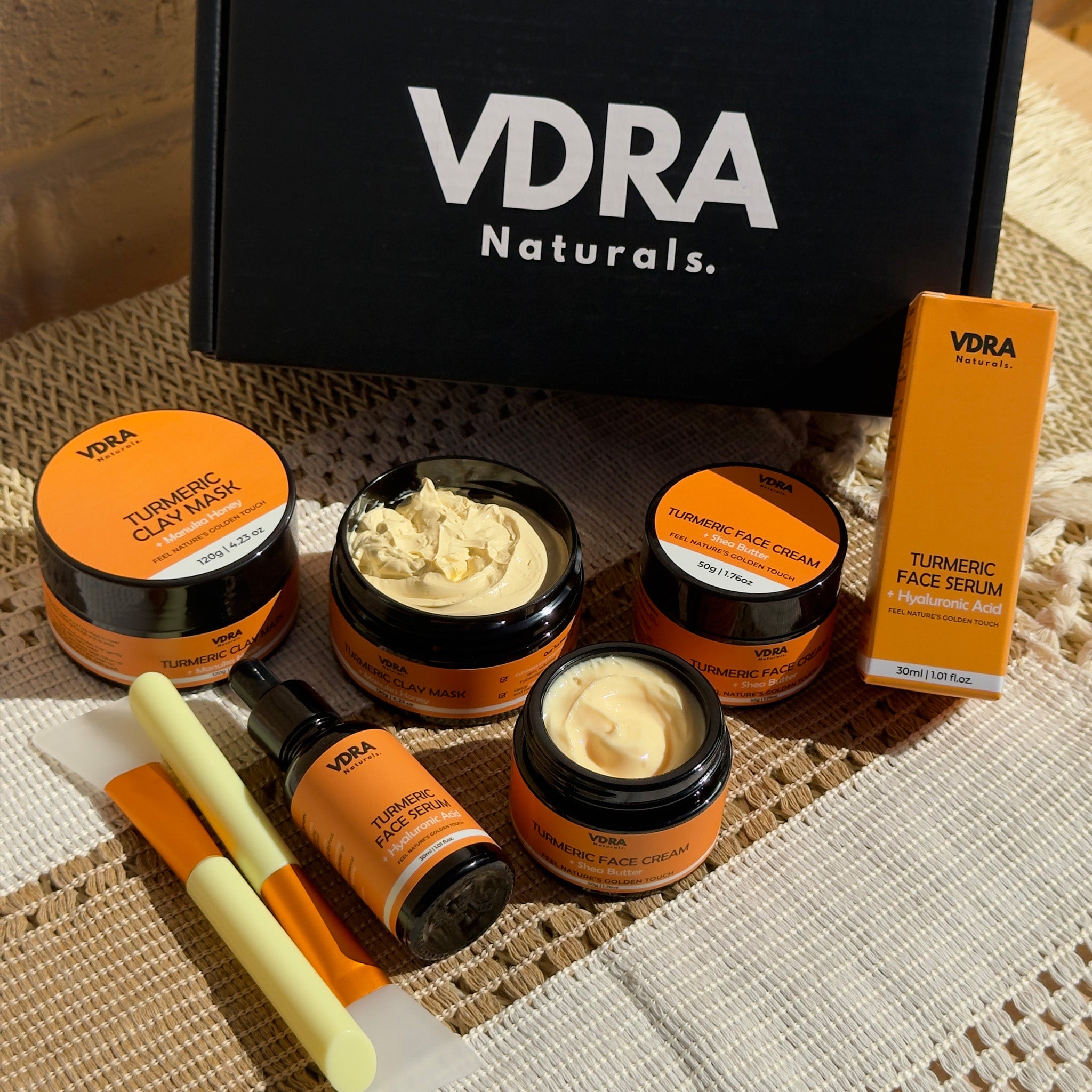
The Turmeric Trio Bundle - VDRA Naturals
$110.00
· $1.83/day